
Good candidates
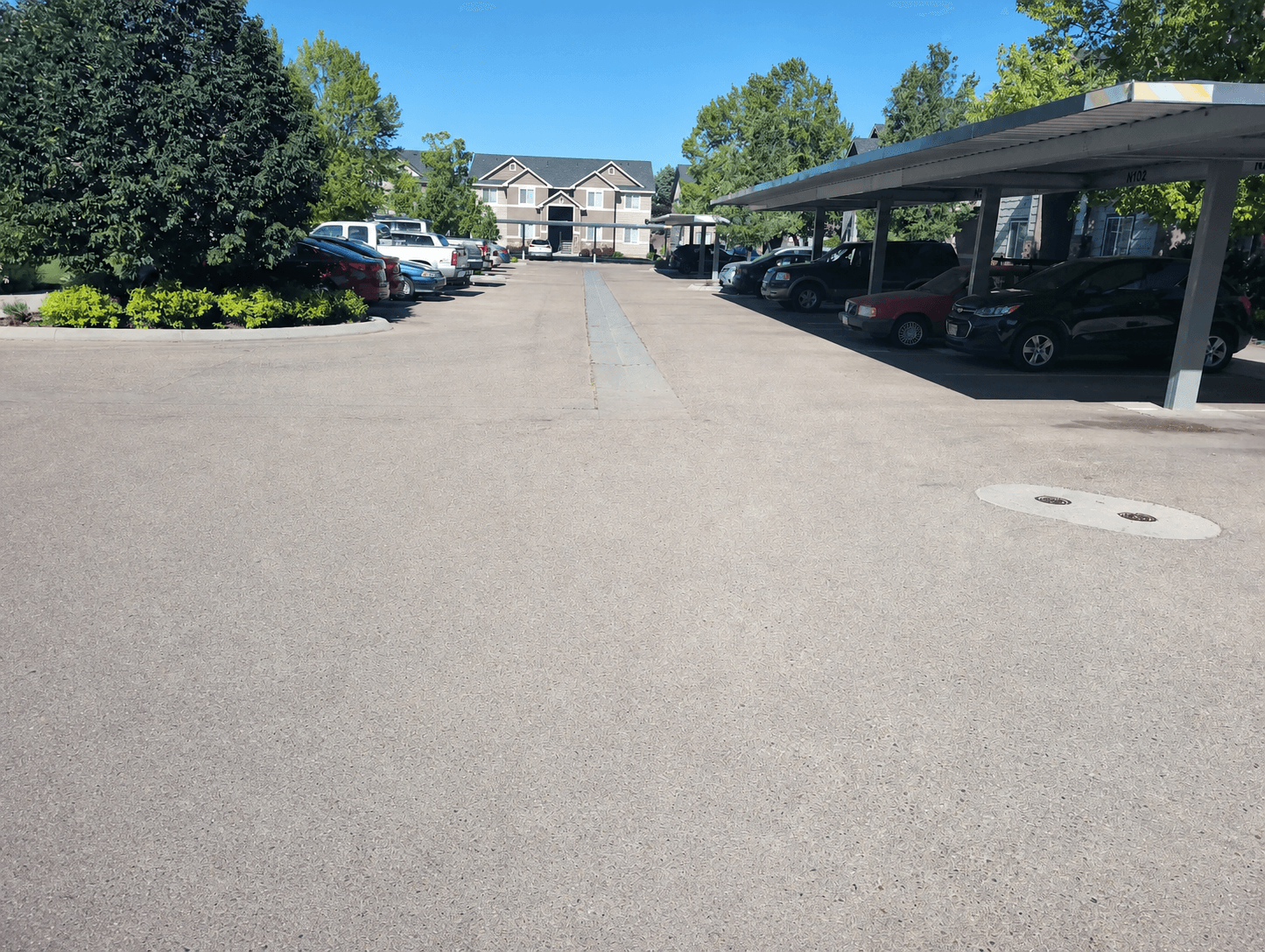
- Faded or dry-looking asphalt
- Routine exposure to sun, water, and vehicle fluids
- A surface that needs preventive maintenance and a refreshed appearance
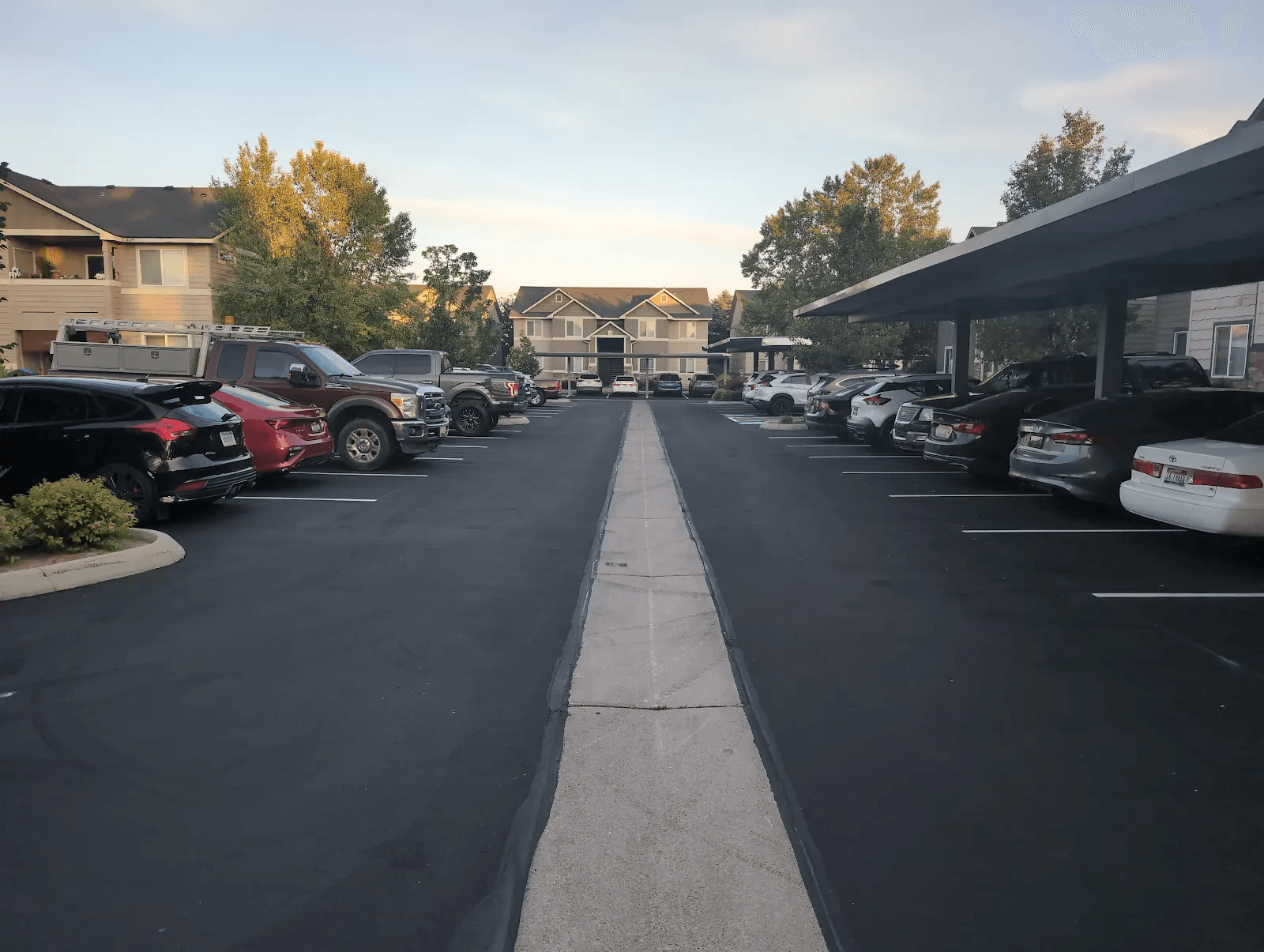
Sealcoating adds a protective wearing surface to structurally sound asphalt. It can restore a darker, cleaner appearance and help slow deterioration caused by sun, water, oxidation, and vehicle fluids.
Is this the right service?
Sealcoating helps preserve the integrity of your asphalt. Application is expected to last up to 4 years.
What to expect
The exact plan is based on the surface, access, weather, and the work included in your estimate.
Review the pavement and identify cracks, failed areas, access needs, and weather requirements.
Clean the eligible surface and complete any agreed crack treatment or patching before coating.
Apply the selected sealcoat system when the pavement and weather are suitable.
Close the treated area and provide a project-specific reopening time.
Before the crew arrives
Access and timing
Weather and product conditions determine the reopening time. Sealed surfaces commonly need at least 24 hours before vehicle traffic, but the instructions for your project take priority.
Expected visible result
Eligible pavement should look darker and more uniform. Existing cracks, patches, texture differences, drainage issues, and structural defects may remain visible.
Materials and method
The coating system is selected for the existing pavement, traffic, and expected conditions. The estimate should identify the recommended material and application plan.
Who we help
Common questions
Project-specific details are confirmed during the estimate.
Faded, structurally sound asphalt may be a candidate for sealcoating. Individual open cracks may need crack treatment. Potholes, sunken areas, broken edges, or heavily cracked areas usually need patching first. A.A. Sealcoat will inspect the pavement and recommend the appropriate work.
Most asphalt maintenance requires a dry surface and suitable weather. Rain, temperature, or other site conditions may require the schedule to change. A.A. Sealcoat will confirm any adjustment with you.
Closure time depends on the service, material, temperature, weather, and traffic. Sealed surfaces commonly need at least 24 hours before vehicle traffic, but always follow the reopening time provided for your project.
Sealcoating requires suitable temperatures, a dry surface, and a stable weather window. The workable season can vary from year to year, so A.A. Sealcoat will confirm whether conditions are appropriate.
Freshly sealed pavement can sometimes show temporary scuffing or turning marks while it continues to cure, especially during warm weather. Avoid sharp or stationary turns and follow the project-specific reopening instructions.
Related work
Failed pavement should be repaired before preventive coatings or new markings are applied.
Schedule a free estimate. We will look at the pavement, explain the options, and recommend the work that fits the surface.